Harnessing Energy Smarter and Greener
Energy has always been central to industry, mobility, and daily life. In Switzerland, a country committed to sustainability and precision, companies are turning to technology to make energy smarter, cleaner, and more reliable. Artificial intelligence has become a key enabler in this transformation, helping organizations manage consumption, integrate renewable sources, and optimize operational efficiency.
Energy management is no longer a purely technical challenge. It is strategic. Companies must balance cost, reliability, environmental goals, and regulatory compliance. AI offers tools to make those trade-offs visible and manageable.
The energy landscape in transition
Switzerland’s energy sector faces multiple pressures. Renewable energy targets are ambitious, and the country has limited domestic fossil resources. Grid stability, fluctuating demand, and decentralized energy production create new operational challenges.
Large industrial users, energy providers, and municipalities must coordinate across these complexities. AI helps monitor, predict, and optimize energy flows in real time, enabling smarter decisions for production, storage, and distribution.
Optimizing industrial energy consumption
Manufacturing and industrial operations are energy-intensive. AI platforms analyze consumption patterns and production schedules to identify inefficiencies.
For example, AI can adjust heating, cooling, and machinery operation to align with energy pricing and production needs. Predictive algorithms detect equipment underperforming or consuming excess energy, prompting maintenance before costs escalate.
Swiss chemical, pharmaceutical, and machinery companies have reported significant reductions in energy consumption after integrating AI-driven optimization into their operations, demonstrating that efficiency and sustainability can go hand in hand.
Grid management and renewables integration
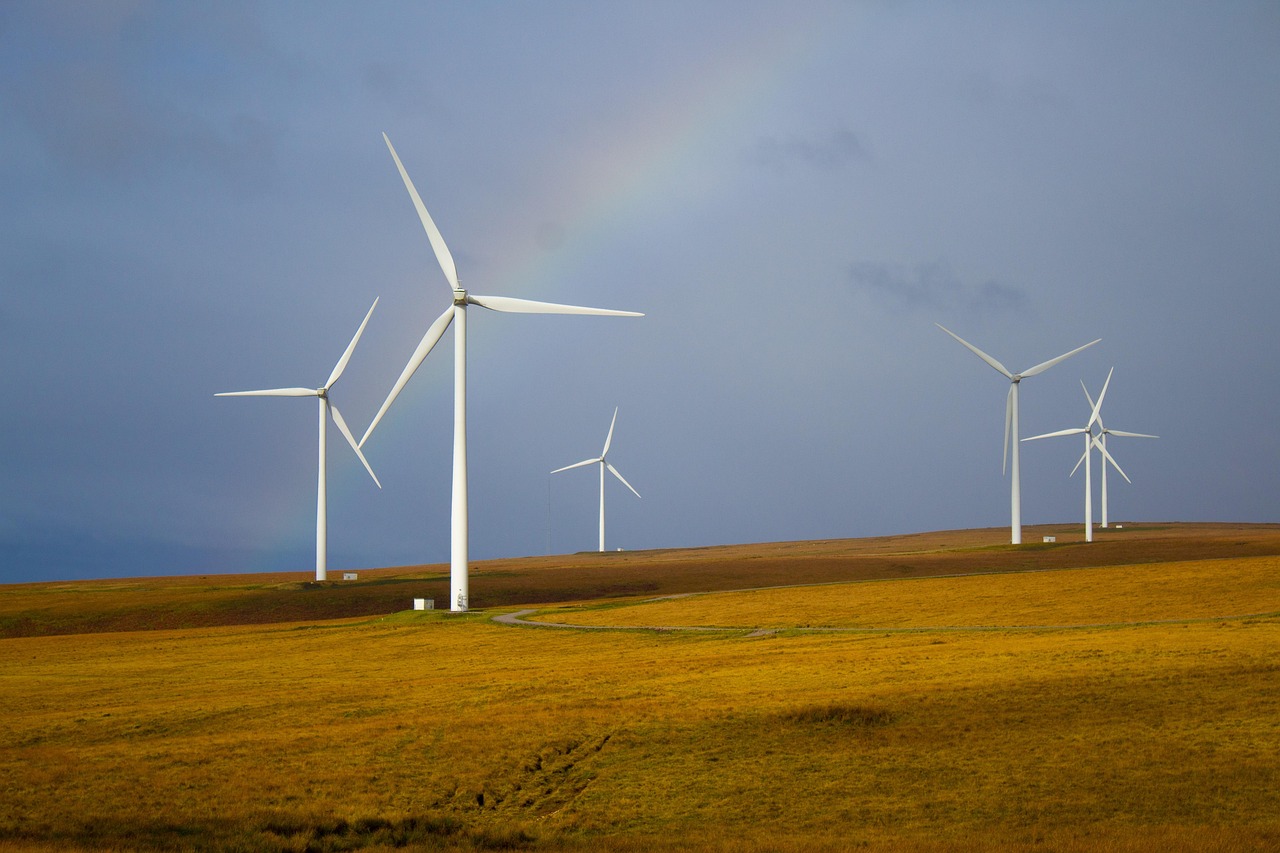
The energy grid itself is evolving. Solar, wind, and hydro sources introduce variability that must be balanced with demand. AI contributes by forecasting generation and consumption, allowing operators to stabilize the grid and reduce reliance on backup power.
Smart grid solutions analyze data from thousands of sensors to anticipate peaks, predict bottlenecks, and optimize distribution. AI also facilitates demand response programs, adjusting consumption dynamically to align with renewable generation.
This capability is increasingly relevant for Swiss utilities facing the twin goals of decarbonization and reliable supply.
Predictive maintenance for energy assets
Beyond consumption and distribution, AI supports the maintenance of energy assets themselves. Turbines, generators, and storage facilities are monitored continuously. Machine learning models detect early signs of wear or failure, enabling predictive maintenance.
This approach reduces downtime, lowers repair costs, and improves safety. In critical sectors such as hydroelectric production, the ability to anticipate failures is essential.
Energy analytics for SMEs
While large enterprises lead in infrastructure projects, small and medium-sized businesses benefit from accessible AI-powered energy management tools. Cloud platforms provide insights into consumption patterns, anomaly detection, and optimization suggestions.
For SMEs, these tools are practical: reducing utility costs, supporting sustainability reporting, and enhancing operational awareness without requiring large energy teams.
Sustainability and regulatory alignment
Energy use is no longer only an operational concern. Regulatory requirements and corporate sustainability commitments demand transparency and reporting.
AI enables accurate measurement, documentation, and verification of energy performance. This supports compliance with national and European frameworks and enhances corporate credibility with stakeholders.
Human oversight remains vital
AI provides insight and automation, but humans remain in control. Energy managers interpret predictions, make investment decisions, and guide strategic choices.
Swiss organizations emphasize training and cross-functional collaboration, ensuring that AI augments expertise rather than replacing it.
Looking forward
The energy sector will continue to become more complex, with distributed production, variable demand, and rising sustainability expectations. AI will evolve alongside it, offering predictive insights, scenario modeling, and operational intelligence.
Autonomous energy management may grow, but human oversight will remain central. Trust, transparency, and reliability are non-negotiable in systems that power cities and industries alike.
Intelligence as the new resource
AI does not generate energy, but it enables smarter use of it. By anticipating demand, optimizing operations, and integrating renewable sources, Swiss companies are turning energy from a cost center into a strategic asset. In a world of fluctuating supply and rising expectations, intelligence is the most valuable resource of all.