
Découvrez la nouvelle génération d'emplois liés à l'IA
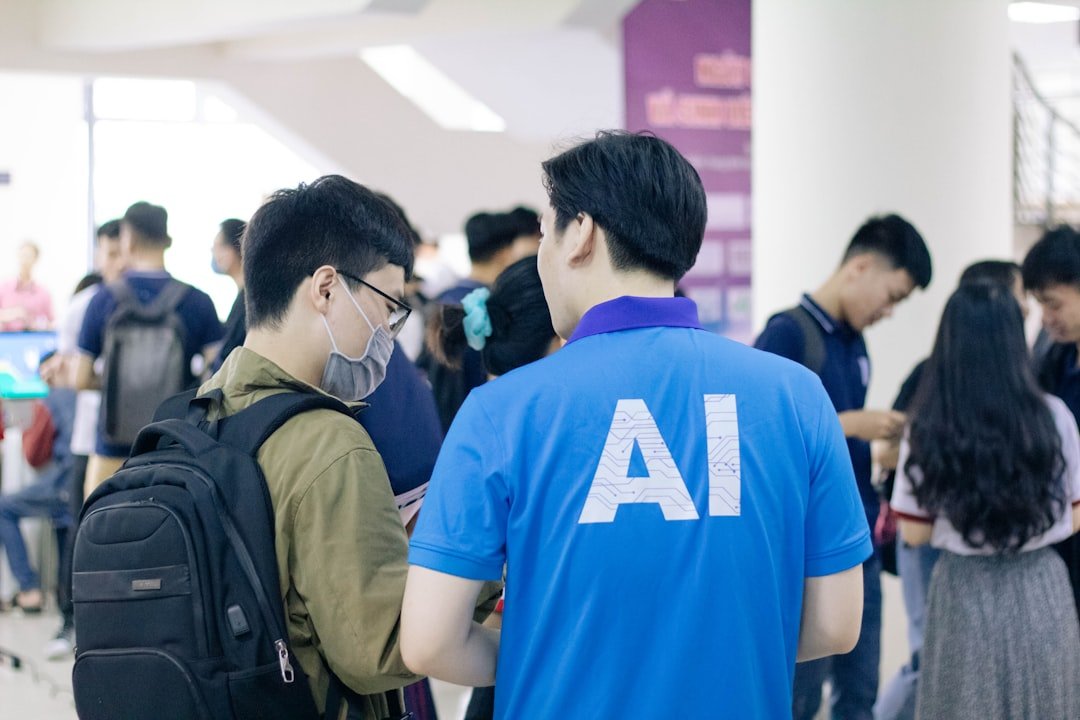
Depuis deux ans, le débat sur IA Et le monde du travail s'est souvent retrouvé pris entre deux extrêmes. D'un côté, on affirme que l'IA va remplacer une grande partie des cols blancs. De l'autre, on affirme qu'elle va simplement rendre tout le monde plus productif. Ces deux points de vue sont trop simplistes.
C'est au milieu que le changement le plus intéressant se produit.
Les entreprises ne se contentent pas de recruter des ingénieurs spécialisés dans l'apprentissage automatique et des data scientists. Elles commencent à avoir besoin de personnes capables de traduire les problèmes métier en workflows d'IA, de gérer des agents d'IA, de tester les résultats des modèles, de repenser les processus, de protéger les données, de former leurs collègues et de déterminer jusqu'où l'automatisation doit s'arrêter. Il ne s'agit pas toujours de postes de recherche prestigieux. Beaucoup d’entre eux se trouvent au sein des équipes chargées des opérations, du marketing, des ressources humaines, du service juridique, des finances, du service client, de la conformité, des achats et des produits.
C'est là le nouveau type de métier dans le domaine de l'IA : non pas ceux qui développent des modèles de pointe, mais ceux qui rendent l'IA exploitable au sein des entreprises.
Le moment choisi est crucial. L’adoption de l’IA est désormais généralisée, mais la création de valeur reste inégale. L’enquête “ State of AI 2025 ” de McKinsey a révélé que la quasi-totalité des personnes interrogées déclaraient que leur organisation utilisait l’IA, et que beaucoup avaient commencé à recourir à des agents IA, mais que la plupart en étaient encore aux prémices de la mise à l’échelle de l’IA et de la création de valeur à l’échelle de l’entreprise. L’indice « Work Trend Index 2025 » de Microsoft a formulé un constat similaire sous un autre angle : à mesure que les agents IA s’intègrent au travail quotidien, les employés devront de plus en plus endosser le rôle de « responsables d’agents », en créant, en déléguant des tâches à et en gérant des systèmes d’IA.
Cette expression peut sembler relever du discours marketing propre au secteur technologique. Mais le changement sous-jacent est bien réel. L'IA n'est plus seulement un outil auquel on a recours lorsqu'on a besoin d'aide pour rédiger un e-mail. Elle est en train de devenir une véritable couche de travail.
Les nouveaux emplois ne se trouvent pas uniquement dans les entreprises spécialisées dans l'IA
La première vague de recrutement dans le domaine de l'IA était facile à comprendre. Les entreprises avaient besoin d'ingénieurs spécialisés dans l'apprentissage automatique, de data scientists, de chercheurs en IA, d'architectes cloud et de chefs de produit capables de développer ou d'intégrer des systèmes d'IA.
Cela reste important. Mais la vague suivante est plus vaste.
Une banque peut avoir besoin d'une personne capable d'évaluer si un assistant basé sur l'IA générative fournit des réponses conformes aux exigences réglementaires aux chargés de clientèle. Un cabinet d’avocats peut avoir besoin d’une personne capable de mettre en place des flux de travail internes pour l’examen de documents sans divulguer de données confidentielles. Un détaillant peut avoir besoin d’une personne capable de relier les prévisions de la demande, les données d’inventaire et l’automatisation du service client. Une équipe chargée des affaires publiques peut avoir besoin d’une personne capable d’utiliser l’IA pour suivre l’évolution de la législation, résumer les positions des parties prenantes et préparer des documents d’information sans déformer les faits.
Ces postes ne sont pas purement techniques. Ils exigent une connaissance du domaine. C'est pourquoi le nouveau marché du travail dans le domaine de l'IA ne se résume pas à l'apprentissage de Python. Il s'agit de combiner une profession avec des compétences en IA.
Le rapport “ L'avenir de l'emploi 2025 ” du Forum économique mondial estime que 170 millions d'emplois pourraient être créés et 92 millions supprimés d'ici 2030, tandis que 39 % des compétences existantes seront transformées ou deviendront obsolètes. Le mot le plus important ici n’est ni “ créés ” ni “ supprimés ”, mais bien « transformés ». Pour de nombreux travailleurs, l’intitulé du poste restera peut-être le même, mais la nature du travail qu’il recouvre changera.
Une responsable de la communication reste peut-être une responsable de la communication. Mais on peut désormais attendre d’elle qu’elle utilise l’IA pour la veille médiatique, la rédaction de premières ébauches de messages, la segmentation de l’audience, la cartographie des scénarios de crise et l’analyse des performances. Un responsable de la conformité reste peut-être un responsable de la conformité. Mais il peut désormais être amené à comprendre le risque lié aux modèles, l’explicabilité, les pistes d’audit et la prise de décision automatisée. Une chef de produit reste peut-être une chef de produit. Mais elle peut désormais être amenée à concevoir des flux de travail dans lesquels les humains et les agents d’IA se partagent les tâches.
Le nouveau marché de l'emploi lié à l'IA se manifeste donc en partie à travers de nouveaux postes et en partie de manière cachée au sein des anciens.
L'essor des traducteurs basés sur l'IA
L'un des rôles les plus précieux sera celui de « traducteur IA » : une personne qui maîtrise suffisamment le métier pour identifier un véritable problème, et qui s'y connaît suffisamment en IA pour savoir ce qui peut et ce qui ne peut pas être automatisé.
Ce rôle est important car de nombreuses entreprises ont commis la même erreur : elles ont acheté des outils d'IA avant même de savoir quels aspects de leur travail devaient évoluer.
Un récent rapport de Business Insider sur l'adoption de l'IA citait des études indiquant que les entreprises qui recouraient intensivement à l'IA connaissaient une croissance plus rapide, tandis que des enquêtes plus larges montraient que le simple accès à ces outils ne suffisait pas. Les employés avaient besoin d'une stratégie, d'un accompagnement et d'une transformation organisationnelle pour que l'utilisation de l'IA se traduise par un impact mesurable.
C'est précisément cette lacune que comble le traducteur basé sur l'IA.
Cette personne ne se contente pas de demander : “ Comment pouvons-nous utiliser l'IA ? ” Cette question est trop vague. Une meilleure question serait : “ Quelle tâche est répétitive, coûteuse, lente, risquée ou exigeant beaucoup de connaissances, et quelles conditions devraient être réunies pour que l'IA permette de l'améliorer ? ”
La solution pourrait être un chatbot. Il pourrait s'agir d'une automatisation des processus. Il pourrait s'agir d'un système de recherche relié à des documents internes. Il pourrait s'agir d'un processus de révision humaine s'appuyant sur des résumés générés par l'IA. Il pourrait également s'agir de la décision suivante : ne pas utiliser l'IA dans ce cas précis, car le risque est trop élevé ou les données sont de trop mauvaise qualité.
Les bons outils de traduction basés sur l'IA protègent les entreprises tant contre la sous-utilisation que contre la surutilisation. Ils empêchent les équipes de négliger des outils utiles, mais ils empêchent également les dirigeants d'automatiser des tâches qu'ils ne comprennent pas.
Le poste de responsable des agents va devenir une fonction à part entière
La couche suivante concerne la gestion des agents.
Les agents IA sont des systèmes conçus pour effectuer des tâches avec un certain degré d'autonomie : planifier des étapes, utiliser des outils, rechercher des informations, rédiger des documents ou mener à bien des flux de travail. La plupart des entreprises n'en sont encore qu'aux prémices de leur utilisation, mais la tendance est claire. Le Work Trend Index de Microsoft indique que les dirigeants s’attendent à ce que les équipes forment et gèrent des agents d’ici cinq ans, et décrit un avenir dans lequel des équipes composées d’humains et d’agents redéfiniront les organigrammes.
Cela donne lieu à une nouvelle tâche de gestion, étrange mais importante. Quelqu'un doit déterminer quelles tâches un agent est capable d'effectuer, à quelles données il peut accéder, quels outils il peut utiliser, quels résultats doivent être validés par un humain, et ce qu'il advient en cas d'échec.
Le responsable des agents ne gère peut-être pas des personnes au sens traditionnel du terme. Il gère une main-d'œuvre numérique. Cela nécessite à la fois de concevoir des processus, d'évaluer les risques, de mesurer les performances et de communiquer.
Au sein d'un service client, un responsable d'agents peut vérifier si l'IA résout les demandes courantes sans frustrer les clients ni transmettre à tort les dossiers sensibles à un niveau supérieur. Dans le secteur financier, il peut superviser des agents chargés de préparer des rapports d'écarts, de vérifier des factures ou d'identifier des anomalies. En marketing, il peut superviser des agents chargés de rédiger des variantes de campagne, d'analyser les performances de l'audience ou de réaliser des analyses de la concurrence.
Ce travail ne se résume pas à la rédaction de consignes. La rédaction de consignes en fait certes partie, mais le véritable travail réside dans la supervision. Que doit faire l'agent ? Que ne doit-il en aucun cas faire ? Comment savoir s'il fonctionne correctement ? Qui est responsable lorsqu'il commet une erreur ?
C'est précisément cette dernière question qui explique pourquoi la gestion des agents deviendra une fonction à part entière, et non plus une simple astuce pour gagner en productivité.
Les ingénieurs en IA déployés sur le terrain sont les nouveaux consultants
L'un des signes les plus évidents de cette évolution du marché est le développement de l'ingénierie en IA déployée en amont.
Selon Reuters, Amazon Web Services consacre $1 milliard à la création d’une nouvelle unité d’ingénieurs spécialisés en IA embarquée, qui travailleront directement avec les équipes des clients pendant des périodes de 45 jours afin de les aider à mettre en œuvre l’IA, à rédiger du code prêt pour la production et à surmonter les obstacles organisationnels. La demande de postes d’ingénieurs déployés sur le terrain aurait été multipliée par 42 entre 2023 et 2025.
Il ne s'agit pas simplement d'une annonce de plus concernant les services cloud. Cela met en lumière une difficulté à laquelle sont confrontées de nombreuses entreprises. Elles n'ont pas seulement besoin de logiciels. Elles ont besoin de personnes capables de s'intégrer au sein de l'organisation, de comprendre les processus, de mettre en place l'intégration et de rendre l'outil utilisable.
Les ingénieurs en IA déployés sur le terrain sont à la fois consultants, ingénieurs, concepteurs de produits et acteurs du changement. Leur valeur ne réside pas uniquement dans la réalisation technique. Elle réside dans leur capacité à faire le lien, même sous pression.
Ce modèle devrait s'étendre au-delà des grands fournisseurs technologiques. Les grands cabinets de conseil, les éditeurs de logiciels d'entreprise et les sociétés spécialisées dans l'IA tenteront tous de proposer une offre similaire : des professionnels capables de faire passer l'IA du stade de la démonstration à celui d'un processus opérationnel.
Pour les professionnels, c'est un signal utile. Cette prime ne sera pas réservée uniquement à ceux qui maîtrisent la théorie de l'IA. Elle sera attribuée à ceux qui sont capables de mettre en œuvre l'IA au sein d'organisations complexes et concrètes.
Les évaluateurs de modèles et les responsables de la qualité de l'IA vont jouer un rôle de plus en plus important
À mesure que l'IA s'intègre dans les processus des secteurs juridique, financier, de la santé, des ressources humaines et du service client, les entreprises auront besoin de personnes chargées de tester systématiquement les résultats obtenus.
C'est le côté moins prestigieux du travail lié à l'IA, mais il pourrait bien devenir l'un des plus importants. Les modèles peuvent produire des « hallucinations », commettre des erreurs de classification, reproduire des biais, divulguer des informations confidentielles, fournir des réponses incohérentes ou générer des analyses plausibles mais erronées. Plus l'IA est utilisée dans des contextes professionnels sérieux, plus les entreprises ont besoin d'un contrôle qualité.
Un évaluateur de modèles ne se contente pas de vérifier si la réponse “ semble correcte ”. Il vérifie si le système fonctionne de manière fiable dans tous les cas de figure. Il crée des ensembles d'évaluation, compare les résultats, identifie les schémas d'échec, recense les risques et recommande des améliorations. Dans les secteurs réglementés, il peut être amené à collaborer avec les équipes juridiques, de conformité et d'audit.
C'est dans ce domaine que de nombreux professionnels non issus du secteur technique peuvent se forger une solide carrière dans l'IA. Un journaliste peut acquérir une grande expertise dans l'évaluation de la fiabilité des faits. Un avocat peut évaluer le raisonnement juridique et les risques liés aux citations. Un médecin peut évaluer la sécurité clinique. Un expert en communication peut évaluer le ton, les risques pour la réputation et l'interprétation par le public. Un spécialiste des politiques publiques peut déterminer si un système d'IA interprète mal les nuances législatives.
Le savoir-faire ne consiste pas simplement à utiliser l'IA. Il s'agit de savoir l'évaluer.
Cette distinction prendra toute son importance, car les entreprises ne peuvent pas automatiser le processus de prise de décision aussi facilement qu'elles peuvent automatiser la rédaction.
La gouvernance de l'IA devient un parcours professionnel
Plus les entreprises déploient de systèmes d'IA, plus elles ont besoin de mesures de gouvernance.
Les fonctions de gouvernance de l’IA se situent à la croisée du droit, de la conformité, de l’éthique, de la cybersécurité, de la protection des données, de la gestion des risques et des opérations. Elles posent des questions concrètes : quelles données ont été utilisées ? Qui a approuvé le modèle ? Quel est le niveau de risque ? Le résultat peut-il être expliqué ? Le système a-t-il un impact sur les clients, les employés ou les décisions soumises à une réglementation ? Existe-t-il un processus de vérification humaine ? Comment les erreurs sont-elles signalées ? L'organisation est-elle en mesure de prouver ce qui s'est passé ?
Cette question devient de plus en plus urgente, car la réglementation rattrape son retard. La loi européenne sur l’IA a mis en place un cadre fondé sur les risques pour les systèmes d’IA, et les entreprises opérant en Europe ou y vendant leurs produits doivent comprendre comment leurs outils sont classés et réglementés. Même en dehors de l’Europe, les conseils d’administration sont de plus en plus sensibles aux risques liés à l’IA, car les atteintes à la réputation peuvent se propager plus rapidement que la réglementation.
Il ne faut pas confondre le rôle de gouvernance avec l'éthique abstraite de l'IA. Sa dimension la plus concrète est d'ordre opérationnel. Elle se traduit par la mise en œuvre de principes sous forme de règles d'achat, de procédures d'approbation, de documentation, de tests, de suivi et de formation.
Toute entreprise qui adopte l'IA à grande échelle aura besoin d'une forme ou d'une autre de cette fonction. Dans les petites structures, elle pourra relever du service juridique, du service de conformité ou du service informatique. Dans les grandes entreprises, elle deviendra un poste à part entière.
Le métier d'ingénieur en prompt évolue
Il y a deux ans, le métier d“” ingénieur en traitement rapide » semblait être celui de l’avenir. Aujourd’hui, il paraît déjà trop restrictif.
Les consignes restent importantes. Savoir donner des instructions claires aux systèmes d'IA est utile. Mais le marché du travail va désormais au-delà des simples consignes astucieuses. Les entreprises ont besoin de personnes capables de concevoir des flux de travail reproductibles, de relier l'IA à des sources de connaissances fiables, d'évaluer les résultats, de gérer les autorisations et de mesurer la valeur ajoutée pour l'entreprise.
La nouvelle version de l'ingénierie des prompts s'apparente davantage à une architecture de flux de travail.
Une équipe de communication, par exemple, n’a pas besoin d’une seule personne qui rédige de superbes consignes en travaillant en isolé. Elle a besoin d’un système permettant de transformer des données brutes en résultats fiables : analyses des médias, cartographie des parties prenantes, notes d’information, premières ébauches de communiqués, signaux d’alerte et textes prêts à être validés. Cela nécessite des consignes, mais aussi des modèles, un contrôle des versions, des règles d’escalade et une vérification humaine.
Une équipe financière n'a pas besoin d'une instruction du type “ résumez cette feuille de calcul ”. Elle a besoin d'un processus structuré pour l'analyse des écarts, la détection des anomalies, la rédaction de commentaires et la création d'une documentation adaptée aux audits.
C'est pourquoi le poste d'« ingénieur en prompt » pourrait disparaître en tant que fonction à part entière dans de nombreuses entreprises. Ces compétences seront intégrées à des descriptions de poste plus pertinentes : concepteur de flux de travail IA, responsable de l'automatisation, responsable des opérations IA, spécialiste des systèmes de connaissances, chef de produit IA.
Plus le titre perd de son attrait, plus l'œuvre gagne en sérieux.
L'IA va faire émerger davantage de professionnels hybrides
Ce sont les professionnels « hybrides » — c'est-à-dire ceux qui allient une expertise sectorielle à des compétences en IA — qui bénéficieront du plus grand avantage professionnel.
Cela ne revient pas à devenir un spécialiste technique à part entière. Un professionnel des relations publiques n’a pas besoin de devenir ingénieur en apprentissage automatique pour tirer parti de l’IA. Mais elle doit comprendre ce que l’IA peut apporter en matière de veille médiatique, d’analyse des parties prenantes, de test des messages, de préparation aux crises, de recherche et de reporting. Elle doit savoir dans quels domaines l’IA est utile et dans lesquels elle peut présenter des risques. Elle doit être capable de donner des instructions claires aux équipes techniques.
Il en va de même pour les ressources humaines, les achats, le droit, la comptabilité, le journalisme, la recherche, l'éducation et la gestion.
Le “ Baromètre mondial de l’emploi dans le domaine de l’IA 2026 ” de PwC décrit un marché du travail à deux vitesses, sur lequel l’IA modifie les fonctions de manière inégale selon les secteurs et les pays. Ce constat est important, car les gagnants ne seront pas seulement ceux dont le titre comporte le mot « IA ». Ce seront également les personnes exerçant des métiers exposés qui apprendront à utiliser l’IA avant que leur poste ne soit redéfini par quelqu’un d’autre.
Pour les salariés, la question concrète n’est pas “ L’IA va-t-elle me prendre mon emploi ? ”, mais “ Quelles parties de mon travail seront automatisées, et quelles compétences humaines gagneront en valeur du fait de cette évolution ? ”
Dans la plupart des fonctions intellectuelles, la réponse consistera probablement en une combinaison de plusieurs éléments : jugement, mise en perspective, gestion des relations, expertise dans le domaine, sens des responsabilités, bon goût, éthique, communication et prise de décision en situation d'incertitude.
L'IA peut proposer davantage d'options. Mais c'est toujours à quelqu'un de faire le choix.
Le problème des débutants
Il existe un risque majeur auquel les entreprises n'ont pas encore trouvé de solution : les emplois de premier échelon.
De nombreux postes de débutants s'articulent autour de tâches que l'IA est désormais capable d'automatiser en partie : rédaction, recherche, nettoyage de données, analyse élémentaire, relecture de documents, comptes rendus de réunions, codage préliminaire, réponses aux clients. Ces tâches étaient parfois peu efficaces, mais elles constituaient aussi un moyen d'apprentissage.
Si les entreprises suppriment trop de tâches destinées aux jeunes collaborateurs sans repenser leur programme de formation, elles risquent de se retrouver confrontées à un problème d'approvisionnement en talents. Le discernement des cadres supérieurs ne s'acquiert pas du jour au lendemain. Il se construit par l'expérience, la répétition et la correction.
C'est là que la planification des effectifs assistée par l'IA va au-delà d'une simple réduction des effectifs. Les entreprises doivent déterminer comment les jeunes collaborateurs vont se former lorsque l'IA se charge de la première ébauche. Elles pourraient avoir besoin de modèles d'apprentissage dans lesquels les jeunes collaborateurs apprennent à superviser les résultats fournis par l'IA, à comparer les différentes options, à vérifier les sources, à comprendre les exceptions et à formuler des recommandations.
Ce nouveau poste de niveau junior consistera peut-être moins à créer du contenu à partir de zéro qu’à relire, améliorer, replacer dans son contexte et transmettre à la hiérarchie. Cela peut s’avérer utile, mais seulement si les responsables l’enseignent de manière ciblée.
Sinon, l'IA pourrait permettre de gagner du temps aujourd'hui, mais affaiblir le vivier de talents demain.
Ce que les entreprises devraient faire dès maintenant
Les entreprises qui réussiront dans ce domaine ne seront pas celles qui se contenteront d'acheter le plus grand nombre d'outils d'IA.
Ils analyseront minutieusement les tâches. Ils détermineront quelles tâches doivent être automatisées, optimisées ou laissées à l'intervention humaine. Ils formeront les cadres, et pas seulement les employés débutants. Ils mettront en place une gouvernance de l'IA avant qu'un scandale ne les y oblige. Ils évalueront si l'IA améliore les résultats, et pas seulement si les gens l'utilisent. Ils redéfiniront les rôles au lieu d'ajouter “ utiliser l'IA ” à chaque description de poste.
Ils créeront également de nouveaux parcours professionnels en interne : traducteur IA, responsable d'agents, concepteur de flux de travail IA, évaluateur de modèles, responsable de la gouvernance IA, responsable de l'adoption de l'IA, responsable de la qualité des données, chef de produit spécialisé dans l'IA, chef d'équipe « humain-IA ».
Ces titres peuvent varier, mais l'œuvre sous-jacente prendra de l'ampleur.
Pour les employés, la marche à suivre est tout aussi claire. N’attendez pas qu’un poste officiel lié à l’IA se libère. Commencez par identifier les aspects de votre métier actuel qui sont liés à l’IA. Apprenez à utiliser les outils, mais ne vous arrêtez pas là. Apprenez à évaluer. Apprenez la gouvernance. Apprenez la protection des données. Apprenez à repenser un processus. Apprenez à expliquer les résultats de l’IA à des personnes qui ne leur font pas encore confiance.
L'avantage reviendra à ceux qui sauront s'interposer entre la machine et l'organisation.
La véritable nouvelle catégorie d'emplois dans le domaine de l'IA
L'avenir du travail dans le domaine de l'IA ne sera pas uniquement déterminé par ceux qui développent des modèles. Il sera déterminé par ceux qui rendent ces modèles utiles, sûrs et pertinents sur le plan économique.
Il s'agit là d'un type de travail différent de celui qui avait été promis au début de la vague d'engouement pour l'IA. Moins prestigieux, peut-être. Plus opérationnel. Plus ancré dans les entreprises ordinaires. Reposant davantage sur le jugement que sur la nouveauté.
Mais c'est peut-être l'opportunité la plus durable.
L'IA donne naissance à une nouvelle catégorie d'emplois, car les entreprises se rendent compte que l'intelligence à la demande n'est pas synonyme de changement organisationnel. Quelqu'un doit repenser le flux de travail. Quelqu'un doit gérer l'agent. Quelqu'un doit tester les résultats. Quelqu'un doit protéger les données. Quelqu'un doit expliquer la décision. Quelqu'un doit déterminer dans quels domaines le jugement humain reste indispensable.
Ce sont ces personnes qui façonneront le futur marché du travail, bien plus que les prévisions les plus alarmistes concernant le remplacement ou l'abondance.
Les nouveaux emplois liés à l'IA ne viennent pas du futur. Ils apparaissent dans les interstices entre les outils, les équipes et la responsabilité.