
Transforming Transportation with Technology
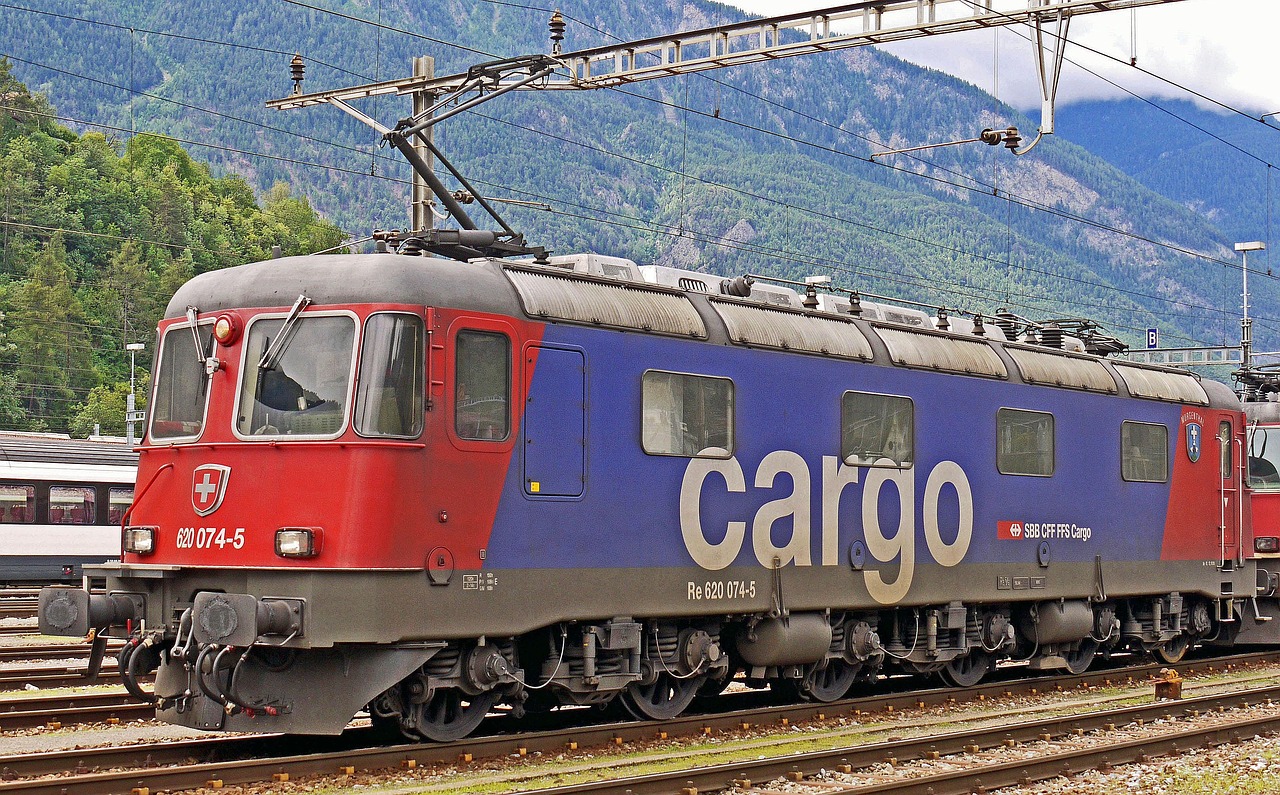
Transportation has always been about movement, but in recent years, it has become as much about information as it is about vehicles. For Swiss companies and public operators alike, artificial intelligence is reshaping how people and goods move across the country and beyond. From traffic management to fleet optimization, AI is quietly making systems faster, safer, and more predictable.
The challenge is complex. Switzerland’s geography, urban density, multilingual regions, and strict environmental standards create a landscape where efficiency, safety, and sustainability must coexist. Technology is now central to achieving that balance.
Smarter traffic, smoother flows
Cities like Zurich, Basel, and Geneva face congestion pressures similar to any global metropolis. Traditional traffic control relied on fixed signals and historical data. AI-driven traffic management is now adding a dynamic layer.
Sensors, cameras, and connected vehicle data feed machine learning models that optimize signal timing in real time. Congestion patterns are predicted before they occur. Emergency vehicle routes are prioritized automatically. Commuters benefit from smoother journeys and reduced travel time.
Public authorities have embraced pilot projects, particularly in urban mobility zones, where small gains translate into significant reductions in emissions and delays.
Optimizing fleets and logistics
For companies operating fleets, AI has become a tool for cost reduction and operational excellence. Delivery companies, municipal services, and corporate fleets use predictive routing, load optimization, and maintenance scheduling.
Algorithms analyze historical and real-time data to determine the most efficient routes and schedules. Factors such as traffic, weather, vehicle load, and driver availability are considered simultaneously. The result: fewer empty runs, better on-time performance, and lower fuel consumption.
Swiss logistics operators increasingly integrate electric and hybrid vehicles into fleets. AI assists by planning routes according to battery range and charging infrastructure, ensuring efficiency and reliability.
Rail and public transport
Switzerland’s rail network is a national point of pride, connecting urban centers and alpine regions alike. AI supports both operational planning and passenger experience.
Predictive models anticipate passenger flows, helping to allocate rolling stock and manage capacity. Maintenance schedules are optimized to minimize downtime. Incident response is faster, with algorithms suggesting alternative routes and resource deployment.
Some operators use AI-driven chatbots and apps to provide passengers with real-time travel updates, delays, and alternative connections, improving service transparency.
Safety and predictive maintenance
Safety remains paramount. AI is increasingly applied to monitor vehicles, infrastructure, and operational behavior. Sensors detect anomalies in bridges, tunnels, and tracks. AI flags early signs of wear or abnormal vibrations, allowing preemptive maintenance before incidents occur.
Vehicle monitoring systems detect driver fatigue or risky behavior. Alerts improve safety without replacing human judgment.
These applications illustrate a fundamental principle: AI is not a substitute for human oversight, but a multiplier of situational awareness.
Sustainability and emissions reduction
Transportation accounts for a significant portion of Switzerland’s carbon footprint. AI contributes to reducing emissions by optimizing routes, reducing idle times, and enabling modal shifts from road to rail where feasible.
Urban planners also use AI simulations to design traffic flows that minimize congestion and pollution, complementing broader sustainability strategies.
SMEs and small-scale innovation
While large operators dominate headlines, SMEs are increasingly experimenting with AI solutions. Courier services, regional shuttle operators, and industrial fleets use AI-powered platforms to plan deliveries, manage inventory on wheels, and maintain compliance.
These tools are often cloud-based, lowering cost and complexity. For small operators, AI becomes a way to compete with larger players without massive investment.
Human factors remain critical
Despite automation, transportation relies on human expertise. Drivers, dispatchers, engineers, and planners remain central to operations. AI tools provide guidance, anticipate issues, and optimize workflows, but human judgment and accountability remain indispensable.
Swiss companies prioritize training and culture alongside technology adoption. Trust and acceptance are prerequisites for success.
Looking ahead
The next wave will bring tighter integration between modes, real-time predictive insights, and smarter mobility platforms. Autonomous transport remains experimental, but AI-driven decision support is rapidly becoming mainstream.
Urban mobility, freight logistics, and rail operations will all benefit from richer data, better models, and closer coordination between stakeholders.
Moving forward with intelligence
Transportation is no longer just about moving from point A to point B. It is about orchestrating complexity safely, efficiently, and sustainably. AI does not drive the vehicle. It drives insight. In Switzerland, that insight is helping transportation evolve quietly but meaningfully, ensuring that passengers and goods reach their destinations on time and with minimum disruption.