
Seeing the Supply Chain Before It Breaks
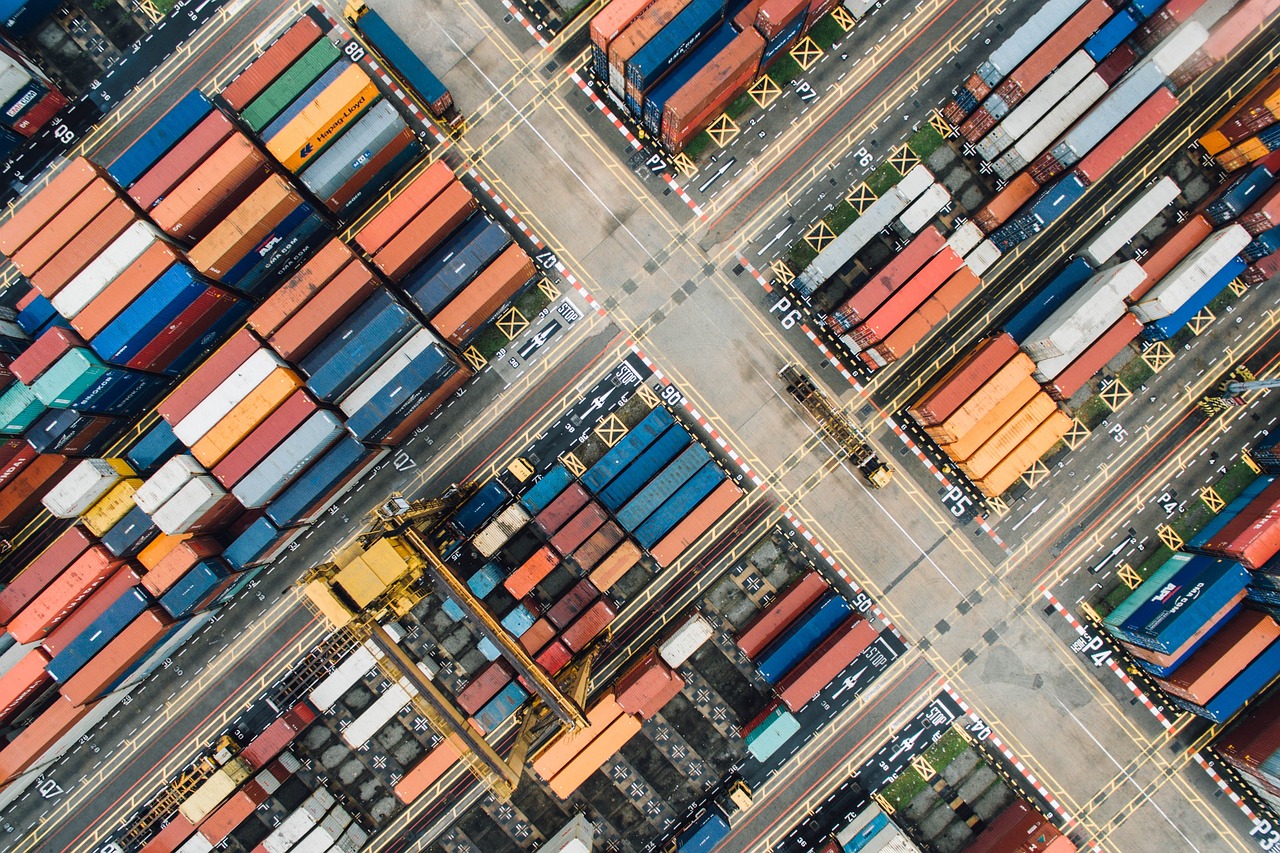
For years, supply chains were treated as background infrastructure. As long as goods flowed and costs stayed in check, few questioned their design. That complacency ended abruptly. Disruptions exposed fragility, opacity, and overreliance on assumptions that no longer held. In response, Swiss companies have turned to artificial intelligence not to optimize at the margins, but to fundamentally rethink how supply chains are understood and managed.
Supply chain analytics has become a strategic capability. Not because it promises perfect control, but because it offers visibility in a world where uncertainty is the norm.
From linear chains to interconnected networks
Modern supply chains are not chains at all. They are networks of suppliers, manufacturers, logistics providers, and customers, spread across jurisdictions and time zones.
Traditional reporting systems struggle to capture this complexity. Data arrives late. Signals are missed. By the time an issue surfaces, options are limited.
AI-powered analytics changes this dynamic. Machine learning models ingest data from procurement systems, logistics platforms, sensors, and external sources such as trade data or weather feeds. They identify patterns and dependencies that would otherwise remain hidden.
For Swiss companies with global operations, this network view is essential. It reveals how disruptions propagate and where interventions have the greatest impact.
Platforms and partners
Large enterprises typically deploy advanced planning and analytics platforms from providers such as SAP Integrated Business Planning, Kinaxis, and Blue Yonder. These systems support scenario modeling, risk assessment, and performance monitoring across the supply chain.
Swiss analytics firms and consultancies customize these platforms, integrating them with legacy systems and local processes. The result is not a generic dashboard, but a tailored decision environment.
For SMEs, access comes through more focused tools. Inventory visibility platforms, supplier risk monitoring services, and AI-enhanced ERP modules provide targeted insights without overwhelming complexity.
Risk as a permanent condition
One of the most significant shifts in supply chain thinking is the treatment of risk. Rather than an occasional exception, risk is now viewed as a permanent condition.
AI models continuously assess exposure. They track supplier reliability, transport performance, geopolitical developments, and environmental factors. When risk indicators rise, alerts prompt human review.
This approach allows companies to act earlier. Alternative sourcing can be explored. Inventory buffers adjusted. Customer commitments renegotiated.
Swiss organizations value this proactive stance. It aligns with a culture that prioritizes preparedness over heroics.
Digital twins and scenario planning
Digital twins have gained traction in Swiss supply chain management. These virtual replicas of physical networks allow planners to test scenarios without real-world consequences.
What happens if a key supplier fails. How does a port closure affect lead times. Which customers are most exposed.
AI enhances these twins by automating scenario generation and evaluating outcomes. Planners spend less time building models and more time interpreting results.
This capability proved particularly valuable during recent global disruptions, when conditions changed faster than manual planning could keep up.
Balancing efficiency and resilience
For decades, supply chain optimization focused on efficiency. Lean inventories. Single sourcing. Just in time delivery.
AI is helping Swiss companies rebalance priorities. Resilience is no longer a luxury. It is a requirement.
Analytics tools quantify trade-offs. They show the cost of redundancy and the cost of disruption. This transparency supports informed decision-making at executive level.
In many cases, companies accept slightly higher costs in exchange for greater stability. AI provides the evidence needed to justify these choices.
Sustainability and traceability
Environmental and social responsibility are increasingly intertwined with supply chain management. Regulations and customer expectations demand greater transparency.
AI supports traceability by analyzing data across tiers of suppliers. It flags anomalies, monitors compliance, and supports reporting.
In industries such as food, pharmaceuticals, and manufacturing, this capability is becoming indispensable. It reduces risk and strengthens credibility.
People at the center
Advanced analytics does not eliminate the need for human judgment. On the contrary, it raises the bar.
Supply chain professionals must interpret complex outputs and make decisions under uncertainty. Swiss companies invest in training to build these skills.
Cross-functional collaboration also becomes more important. Supply chain insights inform finance, sales, and sustainability teams. AI acts as a common language.
What comes next
As AI capabilities mature, supply chain analytics will become more predictive and prescriptive. Automated recommendations will gain prominence. Integration with execution systems will tighten.
At the same time, governance will remain critical. Decisions with far-reaching consequences require oversight.
Foresight as a competitive advantage
Supply chain analytics is no longer about efficiency alone. It is about foresight.
For Swiss companies operating in a volatile world, the ability to see risks early and respond calmly is a powerful differentiator. AI does not remove uncertainty, but it makes it visible. And in complex systems, visibility is the first step to control.