
Reinventing the Final Mile
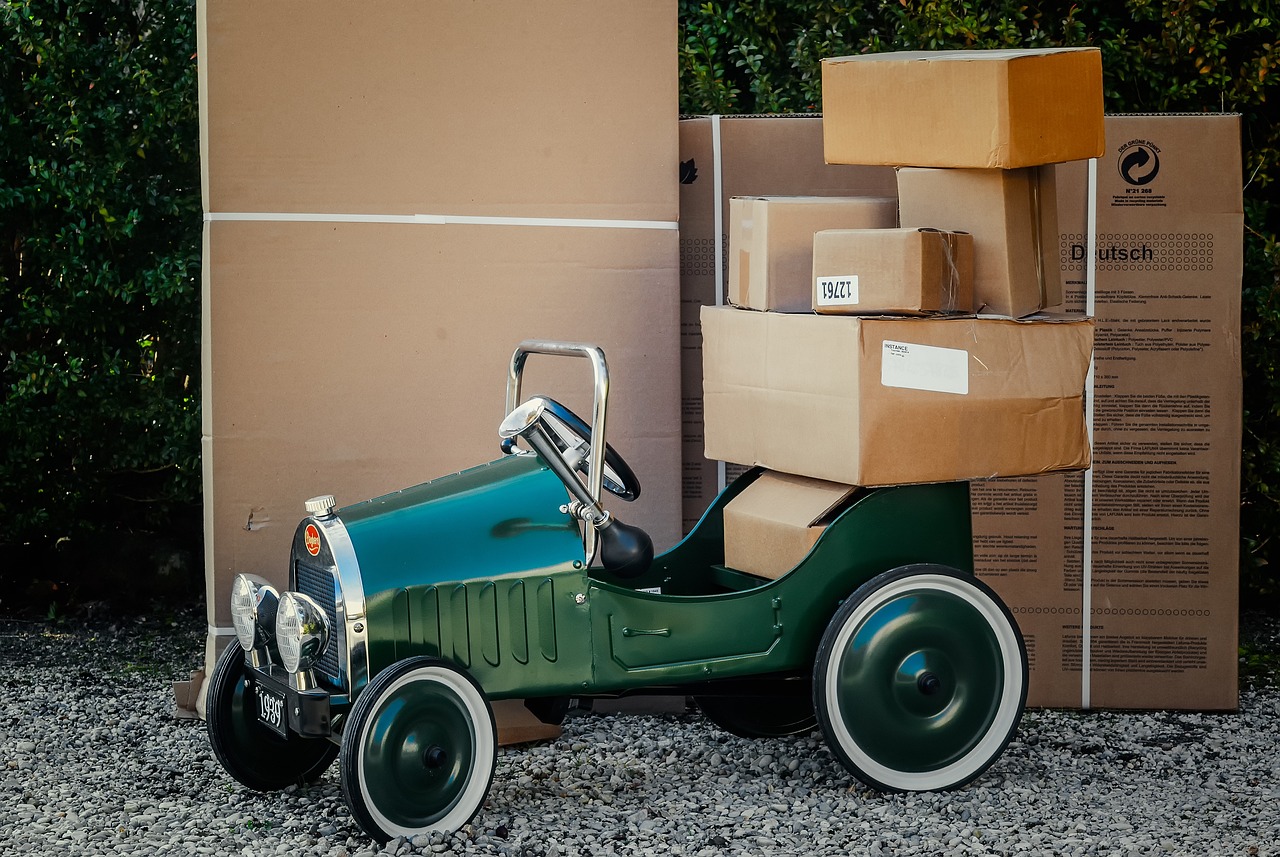
The last mile has always been the most expensive and complex part of delivery. In a country defined by mountains, dense cities, and high service expectations, it is also the most scrutinized. Swiss customers expect punctuality, precision, and increasingly, sustainability. Meeting those expectations at scale has pushed logistics providers and retailers to rethink how goods move from distribution centers to doorsteps. Artificial intelligence is now central to that rethink.
Last mile innovation is not about futuristic gadgets. It is about orchestration. Routes, vehicles, parcels, and people must align in real time. AI provides the connective tissue that makes this alignment possible.
Geography as a forcing function
Switzerland’s geography imposes constraints that make last mile delivery uniquely challenging. Alpine regions limit route options. Urban centers struggle with congestion and access restrictions. Rural areas demand coverage without volume.
Traditional planning methods cannot handle this complexity efficiently. AI-driven optimization models, by contrast, can process thousands of variables simultaneously. They account for traffic patterns, delivery windows, vehicle capacity, driver availability, and even weather conditions.
This capability has become essential for national logistics operators, e commerce players, and food delivery services alike.
From static routes to dynamic orchestration
In the past, delivery routes were planned once or twice a day. Deviations were costly. Today, AI enables continuous replanning.
When a traffic incident occurs or a delivery fails, algorithms adjust routes on the fly. Drivers receive updated instructions. Customers are informed automatically. The system absorbs disruption without collapsing.
This shift from static to dynamic planning has delivered measurable benefits. Delivery times improve. Fuel consumption drops. Driver stress decreases.
The role of public and private actors
Innovation in the last mile is not confined to startups. Established organizations play a leading role.
National postal services and large logistics firms invest heavily in AI to optimize operations. They combine decades of operational data with modern analytics. The result is a blend of institutional knowledge and algorithmic intelligence.
Retailers also contribute. Large chains with omnichannel strategies use AI to coordinate store-based fulfillment, lockers, and home delivery. The last mile becomes a network rather than a linear process.
Sustainability moves to the forefront
Environmental impact is a central concern in Switzerland. Last mile delivery is under pressure to reduce emissions without compromising service.
AI helps optimize vehicle utilization and route efficiency, reducing unnecessary mileage. It also supports the integration of electric vehicles by planning around charging constraints.
In urban areas, AI enables micro consolidation. Parcels are grouped intelligently, reducing the number of vehicles on the road. Some cities experiment with alternative delivery modes, supported by AI-driven coordination.
SMEs and local logistics
Small and medium-sized businesses also benefit from last mile innovation. Many rely on shared logistics platforms that use AI to pool deliveries across multiple merchants.
This collective approach allows SMEs to offer reliable delivery without building their own infrastructure. AI balances competing priorities and allocates resources efficiently.
For local producers and retailers, this can level the playing field.
Data, privacy, and public trust
Last mile optimization relies on data about locations, movements, and behaviors. In Switzerland, this raises legitimate concerns.
Operators invest in data protection and transparency. Customers are informed about tracking. Data is anonymized where possible. Compliance with privacy regulations is non negotiable.
Trust matters. Without it, innovation stalls.
Human factors remain decisive
Despite automation, delivery remains a human activity. Drivers interact with customers, navigate complex environments, and handle exceptions.
AI tools are designed to support them, not replace them. Better routing reduces pressure. Predictive insights help plan workloads more fairly.
Companies that involve drivers in tool design report higher acceptance and better outcomes.
Looking ahead
The future of the last mile will likely involve greater integration across actors. Retailers, logistics providers, municipalities, and energy operators will share data and coordinate decisions.
AI will act as the mediator, balancing efficiency, sustainability, and service quality.
Autonomous delivery may play a role in specific contexts, but widespread adoption remains distant. The immediate gains lie in smarter coordination, not radical automation.
Precision at the doorstep
Last mile innovation in Switzerland reflects a broader pattern. Technology advances not through spectacle, but through refinement.
AI does not eliminate the challenges of geography, density, or expectation. It helps manage them intelligently. At the doorstep, where customer experience is decided, that intelligence makes all the difference.